



Executive Brief
Introduction: Understanding Strategic Commitment

As a non-technical founder, you're constantly juggling innovative ideas with the realities of execution. It's exhilarating to see a room of excited faces when a new concept emerges, but enthusiasm isn’t enough to ensure success. In this article, we'll explore a strategic problem often overlooked: committing to ideas prematurely without fully understanding your organization’s capacity to support them.
We'll introduce a practical framework known as FIT—focusing on Financial, Infrastructure, and Talent assessments—to ensure your team isn't just excited, but truly prepared for successful implementation.
The Enthusiasm Trap: Excitement vs. Readiness
Imagine your team enthusiastic about a new idea. The energy in the room is contagious; everyone is nodding in agreement. But ask yourself, does this excitement translate to actual readiness? Often, the two get confused.
Enthusiasm reflects belief in an idea, but it doesn't guarantee:
-
Financial Resources: Does your budget realistically cover the costs?
-
Infrastructure Readiness: Are systems in place to support the endeavor?
-
Talent Availability: Do you have the skills required to bring the idea to life?
Skipping these checks can prematurely commit your organization to a path it’s not prepared to handle.
Asking the Three Critical Questions
To bridge the gap between energy and execution, use the FIT framework's three checks, each tailored to evaluate a different aspect of capacity:
1. Financial Capacity
-
Real Costs: Go beyond rough estimates. Calculate the true financial commitment required.
-
Budget Prioritization: What other projects might lose funding to support this?
2. Infrastructure Capacity
-
System Compatibility: Do your current systems support the idea’s requirements?
-
Process Alignment: Will existing processes meet new demands, or are you assuming non-existent capabilities?
3. Talent Capacity
-
Skill Inventory: Identify specific skills necessary for success. Are they present?
-
Hiring Needs: Determine if hiring new talent is essential and feasible.
Why Embracing Discomfort is Valuable
Conducting these checks honestly might feel like deflating your team’s enthusiasm. However, this discomfort is vital. Detecting gaps early saves costs later, preventing conspicuous failures in front of clients or stakeholders.
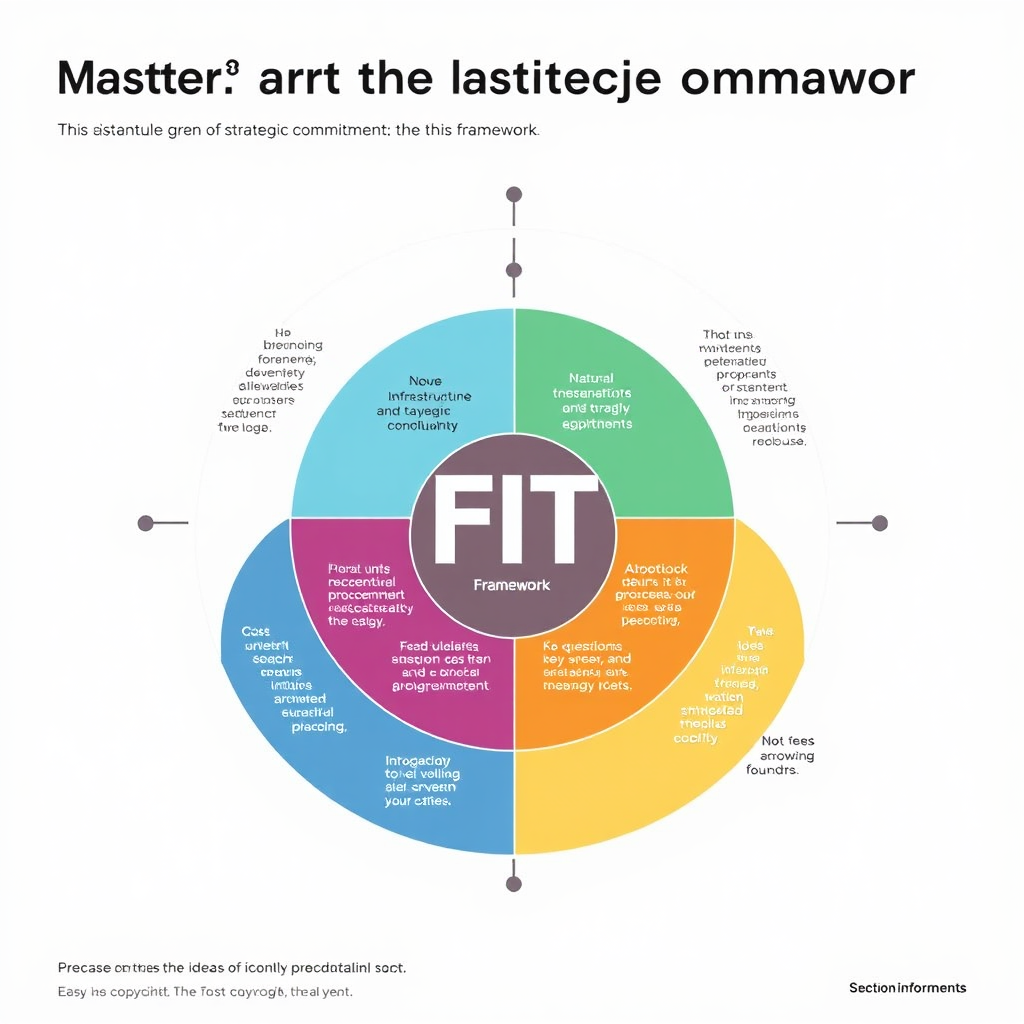
[Inline Infographic] Understanding the FIT Framework
- Graphic: A layered diagram displaying Financial, Infrastructure, and Talent considerations with key questions.
Consequences of Skipping the FIT Check
Ignoring these evaluations often results in project failure at crucial moments, not because the idea was flawed, but because organizational support was lacking.
The Silent Failure Scenario
-
Visibility of Gaps: Discovering resource shortfalls during execution dims the initial enthusiasm and may lead to abandonment.
-
Reputation Risk: External stakeholders’ witnessing unpreparedness can tarnish reputation and trust.
Implementing the FIT Framework: Practical Steps
Step 1: Early Team Engagement
Engage your team early in the review process. Collaboration ensures diverse perspectives on potential gaps and realistic outcomes.
Step 2: Develop a Checklist
Create a detailed checklist for each FIT area. Use it for reference in all strategic discussions, ensuring consistent application.
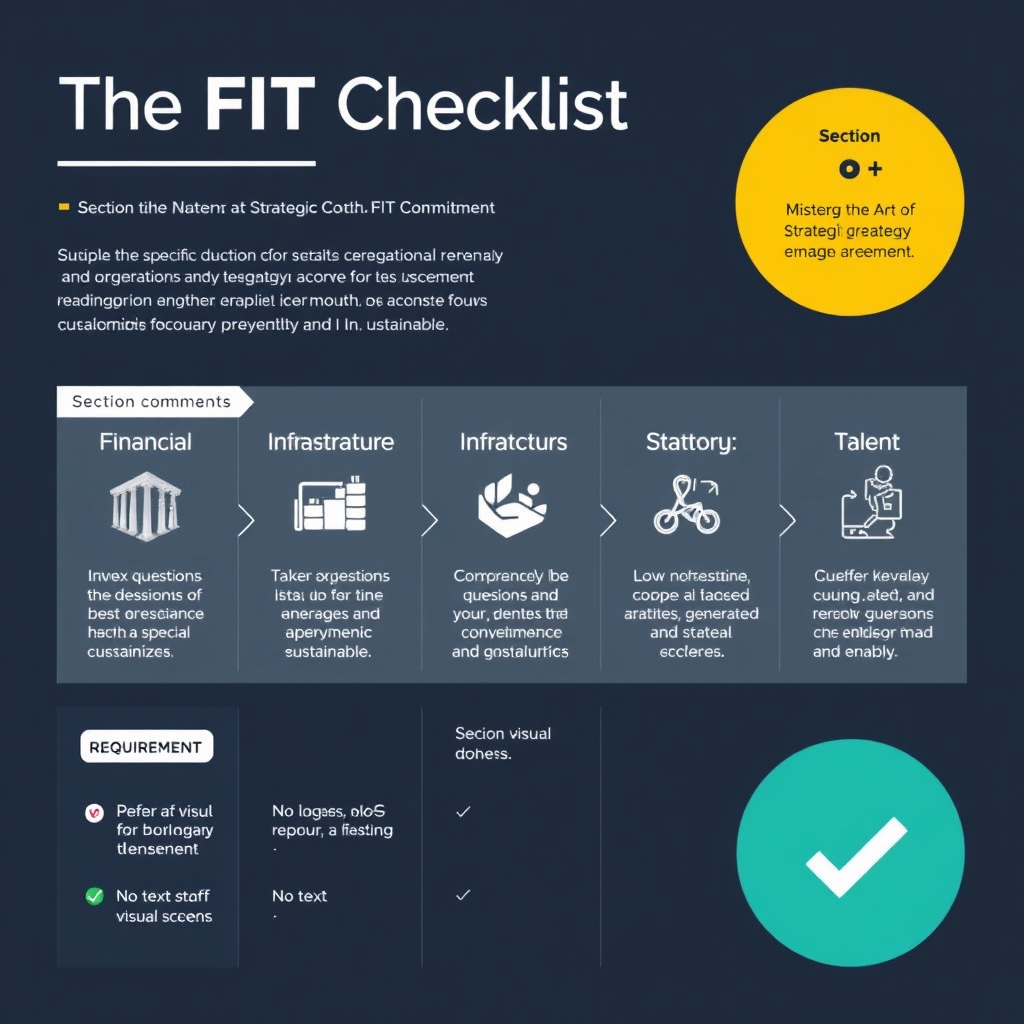
[Infographic] The FIT Checklist
- Graphic: Step-by-step guide segmented into Financial, Infrastructure, and Talent checks.
Learning from the S.T.A.R. System
The FIT framework aligns with principles from the S.T.A.R. System, specifically its Reflection stage. Reflection ensures commitment is based on actual capability, bridging the leap from enthusiasm to feasible action.
[Illustration] Bridging Enthusiasm and Capability
- Graphic: Two-side bridge showing enthusiasm at one end and practicality at the other, connected by FIT evaluations.
Conclusion: Building Sustainable Success
For your next big idea, pause before committing. Ask the right questions and resolve uncertainties beforehand. By adopting the FIT framework, your team becomes not just enthusiastic but strategically prepared, paving the way for transformative, sustainable success.
Super Admin
SUPER_ADMIN
Expert analysis on digital transformation and global mobility strategies. Committed to engineering future-ready businesses.
Have a question about this article?
Use the article chat assistant in the bottom-right corner to ask questions, get a quick summary, or explore any point discussed in this article.